What a Vascular Exam Tells Your Podiatrist About Foot Health

A vascular exam allows a podiatrist to assess how well blood is flowing to the feet and ankles. The exam often begins with observation of skin color, temperature, swelling, and changes in hair or nail growth that may signal reduced circulation. Pulses on the top of the foot and near the ankle are gently felt to evaluate arterial flow. The podiatrist gently presses on the skin of the toes to observe how quickly normal color returns, which reflects small vessel function. In some cases, a handheld device is used to listen to blood flow more clearly. These findings help identify circulation concerns that may affect healing, nerve health, or skin integrity. Vascular assessment is especially important for individuals with diabetes, wounds, leg pain, or slow-healing sores. If changes in foot color, temperature, or healing are noticed, it is suggested that you see a podiatrist for further evaluation and appropriate care.

Vascular testing plays an important part in diagnosing disease like peripheral artery disease. If you have symptoms of peripheral artery disease, or diabetes, consult with Barbara J. Aung, DPM from Aung Foot Health Clinic . Our doctor will assess your condition and provide you with quality foot and ankle treatment.

What Is Vascular Testing?

Vascular testing checks for how well blood circulation is in the veins and arteries. This is most often done to determine and treat a patient for peripheral artery disease (PAD), stroke, and aneurysms. Podiatrists utilize vascular testing when a patient has symptoms of PAD or if they believe they might. If a patient has diabetes, a podiatrist may determine a vascular test to be prudent to check for poor blood circulation.

How Is it Conducted?

Most forms of vascular testing are non-invasive. Podiatrists will first conduct a visual inspection for any wounds, discoloration, and any abnormal signs prior to a vascular test.

 The most common tests include:

  • Ankle-Brachial Index (ABI) examination
  • Doppler examination
  • Pedal pulses

These tests are safe, painless, and easy to do. Once finished, the podiatrist can then provide a diagnosis and the best course for treatment.

If you have any questions please contact our office located in Tuscon, AZ . We offer the newest diagnostic and treatment technologies for all your foot and ankle needs.

Read more about Vascular Testing in Podiatry

Sever’s Disease and Protecting Growing Feet

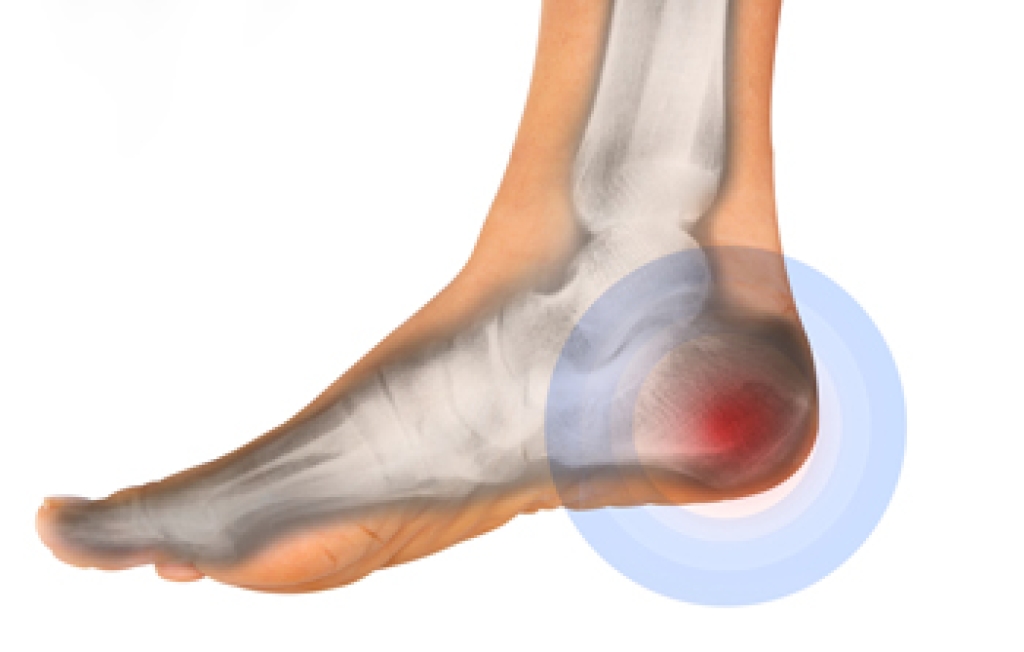
Sever’s disease is a heel condition in children and adolescents caused by inflammation of the growth plate in the heel. It often develops during growth spurts when bones grow faster than muscles and tendons, creating tension at the back of the heel. Risk factors include participation in running and jumping sports, tight calf muscles, improper footwear, and high activity levels. Flat feet or high arches may further increase strain on the heels. Symptoms typically include heel pain, tenderness, swelling, and discomfort during activity. A podiatrist can evaluate foot structure, recommend supportive footwear, provide custom orthotics, and guide stretching programs to relieve stress on the heel. If your active child has heel pain, it is suggested that you consult a podiatrist who can provide an accurate diagnosis and relief tips.

Sever's disease often occurs in children and teens. If your child is experiencing foot or ankle pain, see Barbara J. Aung, DPM from Aung Foot Health Clinic . Our doctor can treat your child’s foot and ankle needs.

Sever’s Disease

Sever’s disease is also known as calcaneal apophysitis, which is a medical condition that causes heel pain I none or both feet. The disease is known to affect children between the ages of 8 and 14.

Sever’s disease occurs when part of the child’s heel known as the growth plate (calcaneal epiphysis) is attached to the Achilles tendon. This area can suffer injury when the muscles and tendons of the growing foot do not keep pace with bone growth. Therefore, the constant pain which one experiences at the back of the heel will make the child unable to put any weight on the heel. The child is then forced to walk on their toes.

Symptoms

Acute pain – Pain associated with Sever’s disease is usually felt in the heel when the child engages in physical activity such as walking, jumping and or running.

Highly active – Children who are very active are among the most susceptible in experiencing Sever’s disease, because of the stress and tension placed on their feet.

If you have any questions, please feel free to contact our office located in Tuscon, AZ . We offer the newest diagnostic and treatment technologies for all your foot care needs.


Read more about Sever's Disease

When Ankle Sprains Do Not Fully Heal

Chronic ankle instability often develops after repeated ankle sprains that never fully recover. People may notice frequent rolling of the ankle, weakness, swelling, or a feeling that the joint cannot be trusted. To better understand risk and recovery, podiatrists look at both movement and daily function. Simple balance testing can show how well the ankle controls motion during standing and reaching tasks, which reflects real world stability. Self-reported questionnaires help capture how the ankle feels during normal activities such as walking, standing, or climbing stairs. When poor balance is paired with difficulty performing everyday tasks, the likelihood of long-term instability increases. Using both physical testing and patient feedback provides a clearer picture than either approach alone. This combined information helps guide treatment and reduce repeat injury. If ankle weakness or repeated sprains continue, it is suggested that you see a podiatrist for a proper evaluation and appropriate treatment.

Ankle sprains are common but need immediate attention. If you need your feet checked, contact Barbara J. Aung, DPM from Aung Foot Health Clinic . Our doctor can provide the care you need to keep you pain-free and on your feet.

How Does an Ankle Sprain Occur?

Ankle sprains take place when the ligaments in your ankle are torn or stretched beyond their limits. There are multiple ways that the ankle can become injured, including twisting or rolling over onto your ankle, putting undue stress on it, or causing trauma to the ankle itself.

What Are the Symptoms?

  • Mild to moderate bruising
  • Limited mobility
  • Swelling
  • Discoloration of the skin (depending on severity)

Preventing a Sprain

  • Wearing appropriate shoes for the occasion
  • Stretching before exercises and sports
  • Knowing your limits

Treatment of a Sprain

Treatment of a sprain depends on the severity.  Many times, people are told to rest and remain off their feet completely, while others are given an air cast. If the sprain is very severe, surgery may be required.

If you have suffered an ankle sprain previously, you may want to consider additional support such as a brace and regular exercises to strengthen the ankle.

If you have any questions please feel free to contact our office located in Tuscon, AZ . We offer the newest diagnostic tools and technology to treat your foot and ankle needs.

Read more about Ankle Sprains

Finding the Best Running Shoes for Your Arch Type

Wearing the right running shoes plays an important role in comfort, performance, and injury prevention. Arch type influences how the foot absorbs shock and transfers force during movement. People with low arches often overpronate, meaning the foot rolls inward excessively. Stability or motion control shoes can help provide support and improve alignment. High arches tend to absorb less shock, placing more stress on the heel and forefoot. Cushioned shoes with flexible soles often work better for this foot type. Neutral arches usually function efficiently and benefit from balanced shoes that offer moderate support and cushioning. Fit, activity level, and running surface also matter when choosing footwear. A proper evaluation helps match shoe design to individual mechanics. Wearing the wrong shoe can contribute to pain or overuse injuries. If running causes foot discomfort or repeated problems, it is suggested that you see a podiatrist for treatment and guidance on proper footwear.

For more information about walking shoes versus running shoes, consult with Barbara J. Aung, DPM from Aung Foot Health Clinic . Our doctor can measure your feet to determine what your needs are and help you find an appropriate pair of footwear.

Foot Health: The Differences between Walking & Running Shoes

There are great ways to stay in shape: running and walking are two great exercises to a healthy lifestyle. It is important to know that running shoes and walking shoes are not interchangeable. There is a key difference on how the feet hit the ground when someone is running or walking. This is why one should be aware that a shoe is designed differently for each activity.

You may be asking yourself what the real differences are between walking and running shoes and the answers may shock you.

Differences

Walking doesn’t involve as much stress or impact on the feet as running does. However, this doesn’t mean that you should be any less prepared. When you’re walking, you land on your heels and have your foot roll forward. This rolling motion requires additional support to the feet.

Flexibility – Walking shoes are designed to have soft, flexible soles. This allows the walker to push off easily with each step.

If you have any questions, please feel free to contact our office located in Tuscon, AZ . We offer the newest diagnostic and treatment technologies for all your foot care needs.
Read more about Walking Shoes vs. Running Shoes

Wounds That Don't Heal Need to Be Checked

Your feet are covered most of the day. If you're diabetic, periodic screening is important for good health. Numbness is often a sign of diabetic foot and can mask a sore or wound.

Connect With Us