Heel Pain Causes and Risk Factors

Heel pain can be caused by a variety of factors that place stress on the structures of the foot, particularly the heel bone, muscles, and ligaments. Some common causes of heel pain include abnormal walking patterns, obesity, wearing ill-fitting footwear, and prolonged standing or activities on hard surfaces. Physically active people, middle-aged adults, pregnant women, and those with arthritis or diabetes are at greater risk. Heel pain may also result from injuries like stress fractures, inflammation of soft tissues such as bursitis, or nerve issues like neuromas. Complications can include plantar fasciitis, where the connective tissue along the sole becomes inflamed, and heel spurs, which are calcified growths linked to chronic strain. A podiatrist can determine the cause of heel pain, identify contributing factors like gait abnormalities, and recommend treatment, such as custom orthotics or adjustments to footwear. If you are experiencing heel pain, it is suggested that you schedule an appointment with a podiatrist for a diagnosis and treatment options.

Many people suffer from bouts of heel pain. For more information, contact Barbara J. Aung, DPM of Aung Foot Health Clinic . Our doctor can provide the care you need to keep you pain-free and on your feet.

Causes of Heel Pain

Heel pain is often associated with plantar fasciitis. The plantar fascia is a band of tissues that extends along the bottom of the foot. A rip or tear in this ligament can cause inflammation of the tissue.

Achilles tendonitis is another cause of heel pain. Inflammation of the Achilles tendon will cause pain from fractures and muscle tearing. Lack of flexibility is also another symptom.

Heel spurs are another cause of pain. When the tissues of the plantar fascia undergo a great deal of stress, it can lead to ligament separation from the heel bone, causing heel spurs.

Why Might Heel Pain Occur?

  • Wearing ill-fitting shoes                
  • Wearing non-supportive shoes
  • Weight change           
  • Excessive running

Treatments

Heel pain should be treated as soon as possible for immediate results. Keeping your feet in a stress-free environment will help. If you suffer from Achilles tendonitis or plantar fasciitis, applying ice will reduce the swelling. Stretching before an exercise like running will help the muscles. Using all these tips will help make heel pain a condition of the past.

If you have any questions, please feel free to contact our office located in Tuscon, AZ . We offer the newest diagnostic and treatment technologies for all your foot care needs.

Read more about Heel Pain

Protect Your Feet and Your Health

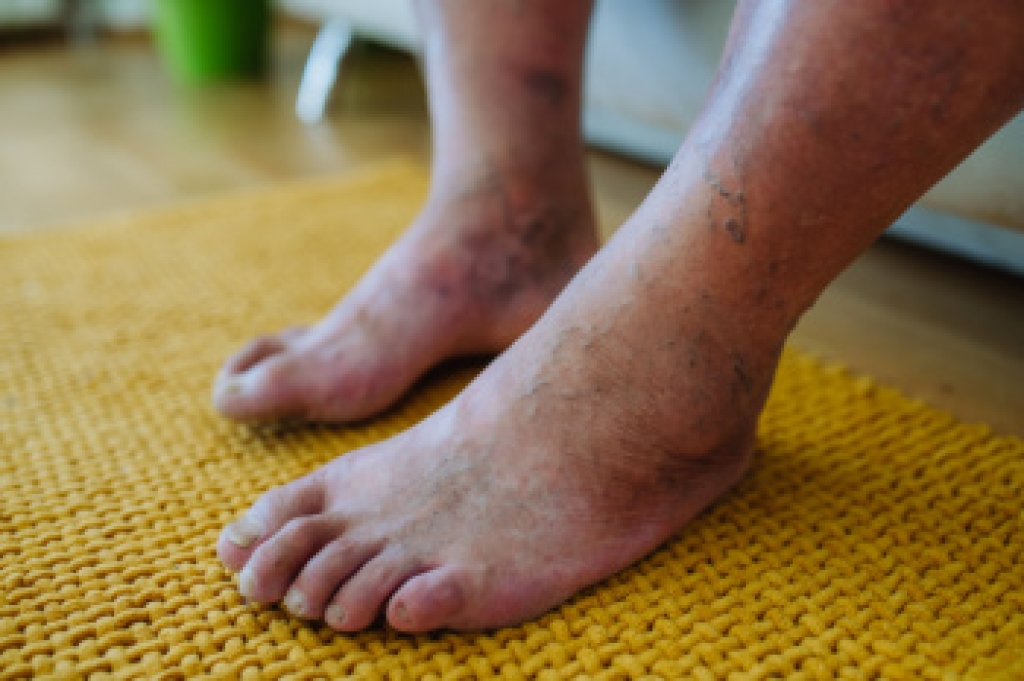
For those individuals managing diabetes, attentive foot care is imperative to preventing complications. Elevated blood sugar can reduce circulation and sensation, making feet more vulnerable to injuries and slow healing. Simple measures like inspecting feet daily for cuts, redness, or swelling can catch issues early. Choose shoes with a proper fit to avoid pressure points or blisters and avoid walking barefoot to prevent unnoticed injuries. Keep skin hydrated with lotion Skip the areas between toes to prevent fungal growth. Routine toenail trimming, without cutting too close, reduces the risk of ingrown nails. Partnering with a podiatrist ensures early detection and treatment of concerns like ulcers or infections. If you have diabetes, it is suggested that you have regular foot checkups with a podiatrist who can provide tailored advice, protecting your mobility and health.

Diabetic foot care is important in preventing foot ailments such as ulcers. If you are suffering from diabetes or have any other concerns about your feet, contact Barbara J. Aung, DPM from Aung Foot Health Clinic . Our doctor can provide the care you need to keep you pain-free and on your feet.

Diabetic Foot Care

Diabetes affects millions of people every year. The condition can damage blood vessels in many parts of the body, especially the feet. Because of this, taking care of your feet is essential if you have diabetes, and having a podiatrist help monitor your foot health is highly recommended.

The Importance of Caring for Your Feet

  • Routinely inspect your feet for bruises or sores.
  • Wear socks that fit your feet comfortably.
  • Wear comfortable shoes that provide adequate support.

Patients with diabetes should have their doctor monitor their blood levels, as blood sugar levels play such a huge role in diabetic care. Monitoring these levels on a regular basis is highly advised.

It is always best to inform your healthcare professional of any concerns you may have regarding your feet, especially for diabetic patients. Early treatment and routine foot examinations are keys to maintaining proper health, especially because severe complications can arise if proper treatment is not applied.

If you have any questions, please feel free to contact our office located in Tuscon, AZ . We offer the newest diagnostic and treatment technologies for all your foot care needs.
Read more about How to Care for Diabetic Foot

The Benefits of Laser Therapy for Fungal Nails

Laser therapy is an increasingly popular treatment for fungal nail infections, offering a non-invasive and effective solution. This therapy uses focused light to penetrate the nail and target the fungal infection beneath the surface. The heat from the laser helps to destroy the fungus without damaging the surrounding tissue. One of the main benefits of laser therapy is its ability to treat fungal nails without the need for oral medication, which may have side effects. The treatment is quick, with minimal discomfort and little to no downtime. Many patients experience noticeable improvement after just one or two sessions, and the risk of recurrence is significantly reduced. Laser therapy promotes healthier nail growth by allowing the body’s natural healing process to take place more efficiently. Overall, it is a safe and convenient option for those seeking relief from persistent fungal nail infections. Toenail fungus can be unsightly. If you have developed this condition, it is suggested that you consult a podiatrist who can determine if this type of laser therapy is right for you.

Laser treatment can be an effective way to get rid of toenail fungus. If you have any questions about laser treatment, consult with Barbara J. Aung, DPM from Aung Foot Health Clinic . Our doctor will assess your condition and provide you with quality treatment for fungal nails.

What Are Toenail Fungal Infections?

Onychomycosis, or fungal infection of the nail, is a relatively common and non-serious condition. Around 10 percent of U.S. citizens are afflicted with fungal nails. Common forms of fungus that infect the nail include dermatophytes, yeasts, and molds.

Symptoms of Toenail Fungal Infections Include:

  • Nail thickening
  • Brittleness of the nail
  • Discoloration of the nail

Diagnosis for Fungal Nails

Fungal infections are diagnosed by fungal culture and microscopy. This will rule out any other conditions such as nail trauma, psoriasis, lichen planus, and onychogryphosis.

What Is Laser Treatment?

Laser treatment is a non-invasive, safe, quick, and painless procedure that uses the heat from a laser to kill fungus in the nail. Each infected nail is targeted with a laser for several minutes. The treatment is usually utilized several different times over a select period. During this time, a podiatrist will keep an eye on the infection.

If you have any questions, please feel free to contact our office located in Tuscon, AZ . We offer the newest diagnostic and treatment technologies for all your foot care needs.

Read more about Laser Treatment for Fungal Nails

Understanding Bunionettes

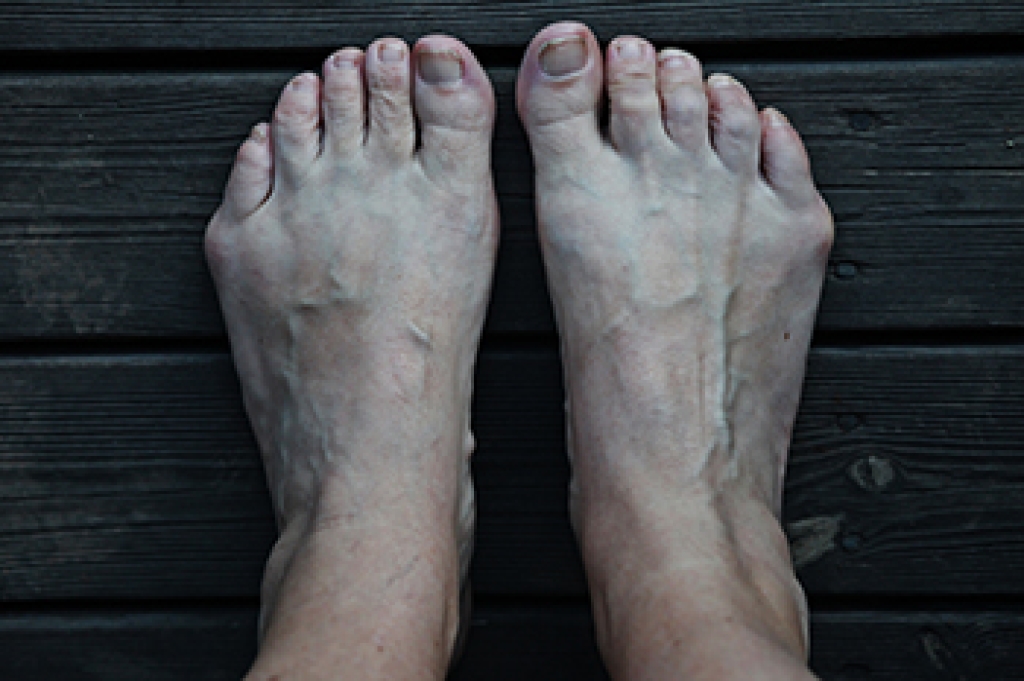
A bunionette, also known as a tailor’s bunion, is a bony bump that forms on the outside of the foot, near the little toe. It can cause pain, swelling, and difficulty wearing certain shoes, often leading to irritation or redness. Symptoms include a noticeable bump, discomfort when walking, and soreness when pressure is applied. Bunionettes are caused by wearing tight or ill-fitting shoes, genetic factors, or abnormal foot mechanics, such as supination where the foot rolls toward the outside. Over time, these factors can lead to the misalignment of the fifth metatarsal bone. Treatment options range from conservative measures, such as wearing wider shoes and using padding, to more advanced interventions, including surgery. A podiatrist can help diagnose the condition and recommend the best treatment plan, whether it includes non-invasive methods or surgical correction. If you are experiencing pain or discomfort from a bunionette, it is suggested that you schedule an appointment with a podiatrist to find relief and explore your treatment options.

If you are suffering from bunions, contact Barbara J. Aung, DPM of Aung Foot Health Clinic . Our doctor can provide the care you need to keep you pain-free and on your feet.

What Is a Bunion?

A bunion is formed of swollen tissue or an enlargement of boney growth, usually located at the base joint of the toe that connects to the foot. The swelling occurs due to the bones in the big toe shifting inward, which impacts the other toes of the foot. This causes the area around the base of the big toe to become inflamed and painful.

Why Do Bunions Form?

Genetics – Susceptibility to bunions are often hereditary

Stress on the feet – Poorly fitted and uncomfortable footwear that places stress on feet, such as heels, can worsen existing bunions

How Are Bunions Diagnosed?

Doctors often perform two tests – blood tests and x-rays – when trying to diagnose bunions, especially in the early stages of development. Blood tests help determine if the foot pain is being caused by something else, such as arthritis, while x-rays provide a clear picture of your bone structure to your doctor.

How Are Bunions Treated?

  • Refrain from wearing heels or similar shoes that cause discomfort
  • Select wider shoes that can provide more comfort and reduce pain
  • Anti-inflammatory and pain management drugs
  • Orthotics or foot inserts
  • Surgery

If you have any questions, please feel free to contact our office located in Tuscon, AZ . We offer the newest diagnostic and treatment technologies for all your foot care needs.

Read more about What Are Bunions?

Why Live with Pain and Numbness in Your Feet?

Suffering from this type of pain? You may have the foot condition known as Morton's neuroma. Morton's neuroma may develop as a result of ill-fitting footwear and existing foot deformities. We can help.

Connect With Us