
Preventing Ankle Pain After Running

Ankle pain after running is a common issue for seasoned athletes and casual joggers alike. It can result from overuse, improper footwear, poor running form, or underlying biomechanical problems. Conditions like tendonitis, sprains, or instability can develop when the ankle is repeatedly stressed without proper support or recovery. Preventing ankle pain begins with wearing well-fitted running shoes, stretching before and after exercise, and gradually increasing running intensity. A podiatrist can evaluate your gait, recommend supportive devices like orthotics, and address structural imbalances. This type of doctor can also treat foot and ankle injuries and provide rehabilitation plans to restore mobility and prevent recurrence. If you experience ongoing ankle discomfort after running, it is suggested that you schedule a visit with a podiatrist today for expert care and guidance.

All runners should take extra precaution when trying to avoid injury. If you have any concerns about your feet, contact Barbara J. Aung, DPM of Aung Foot Health Clinic . Our doctor will treat your foot and ankle needs.

How to Prevent Running Injuries

There are a lot of mistakes a runner can make prior to a workout that can induce injury. A lot of athletes tend to overstretch before running, instead of saving those workouts for a post-run routine. Deep lunges and hand-to-toe hamstring pulls should be performed after a workout instead of during a warmup. Another common mistake is jumping into an intense routine before your body is physically prepared for it. You should try to ease your way into long-distance running instead of forcing yourself to rush into it.

More Tips for Preventing Injury

  • Incorporate Strength Training into Workouts - This will help improve the body’s overall athleticism
  • Improve and Maintain Your Flexibility – Stretching everyday will help improve overall performance
  • “Warm Up” Before Running and “Cool Down” Afterward – A warm up of 5-10 minutes helps get rid of lactic acid in the muscles and prevents delayed muscle soreness
  • Cross-Training is Crucial
  • Wear Proper Running Shoes
  • Have a Formal Gait Analysis – Poor biomechanics can easily cause injury

If you have any questions, please feel free to contact our office located in Tuscon, AZ . We offer the newest diagnostic and treatment technologies for all your foot care needs.
Read more about How to Prevent Running Injuries

Podiatric Advice About Hammertoes

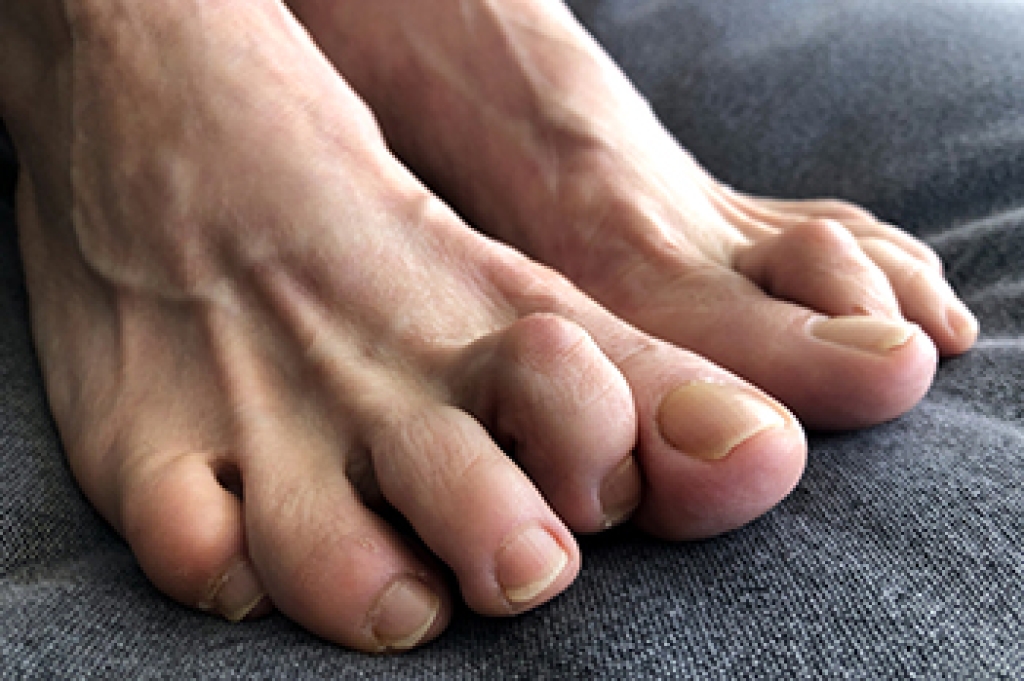
A hammertoe is a deformity where the toe bends abnormally at the middle joint, resembling a hammer. This condition often develops from muscle imbalance, tight footwear, or structural issues in the foot. Symptoms include pain, stiffness, swelling, corns, or difficulty wearing shoes. Risk factors include age, arthritis, flat feet, high arches, or a family history of foot problems. Without treatment, the toe can become rigid and more difficult to manage. A podiatrist can evaluate the severity, recommend supportive footwear, provide custom orthotics, or suggest therapy. Early care can prevent progression and relieve discomfort. If you notice changes in toe shape or pain while walking, it is suggested that you consult a podiatrist for professional guidance and lasting relief.

Hammertoes can be a painful condition to live with. For more information, contact Barbara J. Aung, DPM of Aung Foot Health Clinic . Our doctor will answer any of your foot- and ankle-related questions.

Hammertoe

Hammertoe is a foot deformity that occurs due to an imbalance in the muscles, tendons, or ligaments that normally hold the toe straight. It can be caused by the type of shoes you wear, your foot structure, trauma, and certain disease processes.

Symptoms

  • Painful and/or difficult toe movement
  • Swelling
  • Joint stiffness
  • Calluses/Corns
  • Physical deformity

Risk Factors

  • Age – The risk of hammertoe increases with age
  • Sex – Women are more likely to have hammertoe compared to men
  • Toe Length – You are more likely to develop hammertoe if your second toe is longer than your big toe
  • Certain Diseases – Arthritis and diabetes may make you more likely to develop hammertoe

Treatment

If you have hammertoe, you should change into a more comfortable shoe that provides enough room for your toes. Exercises such as picking up marbles may strengthen and stretch your toe muscles. Nevertheless, it is important to seek assistance from a podiatrist in order to determine the severity of your hammertoe and see which treatment option will work best for you.

If you have any questions, please feel free to contact our office located in Tuscon, AZ . We offer the newest diagnostic and treatment technologies for all your foot care needs.
Read more about What Are Hammertoes?

Why Are My Feet Swollen?

Swollen feet can be uncomfortable and concerning. Common causes include standing or sitting for long periods, pregnancy, or wearing ill-fitting shoes. However, swelling may also be a sign of underlying medical conditions, such as heart failure, kidney disease, lymphedema, or venous insufficiency. Symptoms include puffiness, skin tightness, or difficulty walking. A podiatrist can assess the cause of the swelling with a thorough examination and help manage it with proper footwear, compression therapy, or referrals to other specialists, if needed. Early treatment is essential to prevent complications. If you are experiencing persistent or painful foot swelling, it is suggested that you schedule an appointment with a podiatrist who can offer appropriate treatment solutions.

Swollen feet can be a sign of an underlying condition. If you have any concerns, contact Barbara J. Aung, DPM of Aung Foot Health Clinic . Our doctor can provide the care you need to keep you pain-free and on your feet.

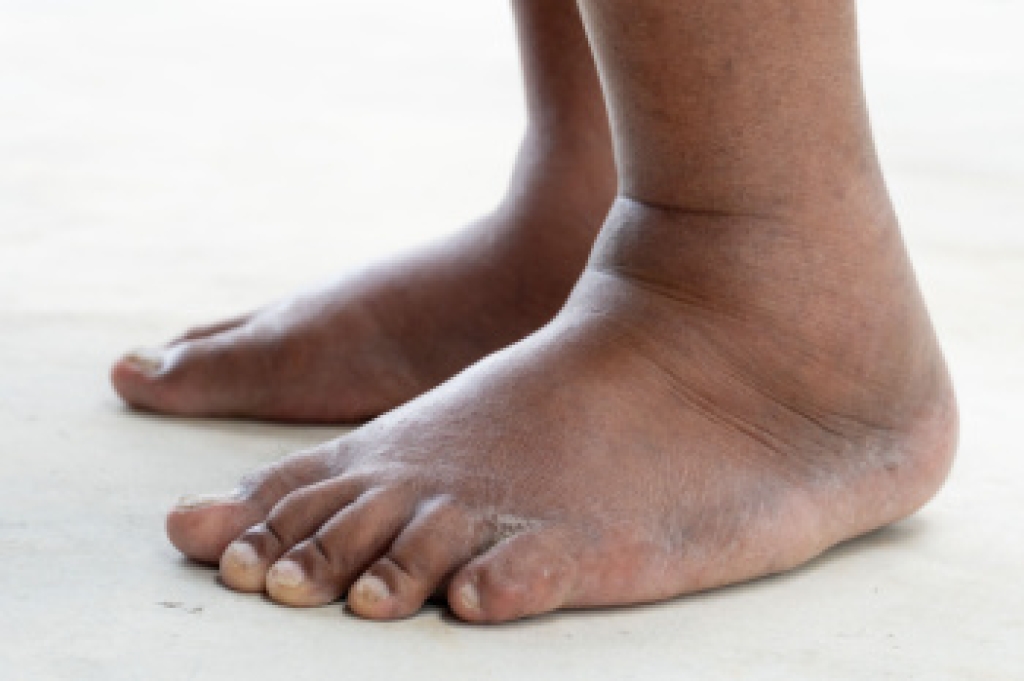
Swollen feet are a common ailment among pregnant women and people who stand or sit for extended periods. Aging may increase the possibility of swollen feet and patients who are obese often notice when their feet are swelling too. There may be medical reasons why swollen feet occur:

  • Phlebitis - A condition that causes the veins to become inflamed and can also cause leg pain.
  • Liver disease - This may lead to low blood levels of albumin which is a protein. This can cause fluid in the blood to pass into the tissues and several areas of the body can become swollen.
  • Heart failure - When the heart doesn’t pump properly the blood that is normally pumped back to the heart can pool in the veins of the legs causing swollen feet.
  • Kidney disease - One of the main functions of the kidneys is releasing excess fluid in the body. This type of condition can make it difficult for the kidneys to function properly, and as a result the feet may become swollen.
  • Deep-vein thrombosis (DVT)- This is a serious condition where blood clots form in the veins of the legs. They can block the return of blood from the legs to the heart which may cause the feet to swell. It is important to be treated by a podiatrist if this condition is present.

Swollen feet can also be caused by bone and tendon conditions, including fractures, arthritis, and tendinitis. Additionally, there may be skin and toenail conditions and an infection may cause the feet to swell. Patients who take medicine to treat high blood pressure may be prone to getting swollen feet. 

Many patients elevate their feet to help relieve the swelling and this is generally a temporary remedy. When a podiatrist is consulted the reason behind the swelling can be uncovered and subsequently treated.

If you have any questions please contact our office located in Tuscon, AZ . We offer the newest diagnostic and treatment technologies for all your foot and ankle needs.

Read more about Swelling of the Feet

Understanding Flat Feet

Flat feet, also known as fallen arches, occur when the arches of the feet collapse, causing the entire sole to make contact with the ground. This condition can appear from birth or develop over time due to aging, injury, obesity, or medical conditions such as arthritis. Symptoms may include foot pain, swelling, fatigue, or discomfort in the ankles, knees, or lower back. Some people with flat feet may experience difficulty standing for long periods or walking without strain. A podiatrist can evaluate the structure and function of the feet, provide customized orthotics for support, recommend strengthening exercises, and address related complications. If you were born with flat feet, it is suggested that you are under the care of a podiatrist who can address existing foot discomfort and help you manage your foot health.

Flatfoot is a condition many people suffer from. If you have flat feet, contact Barbara J. Aung, DPM from Aung Foot Health Clinic . Our doctor will treat your foot and ankle needs.

What Are Flat Feet?

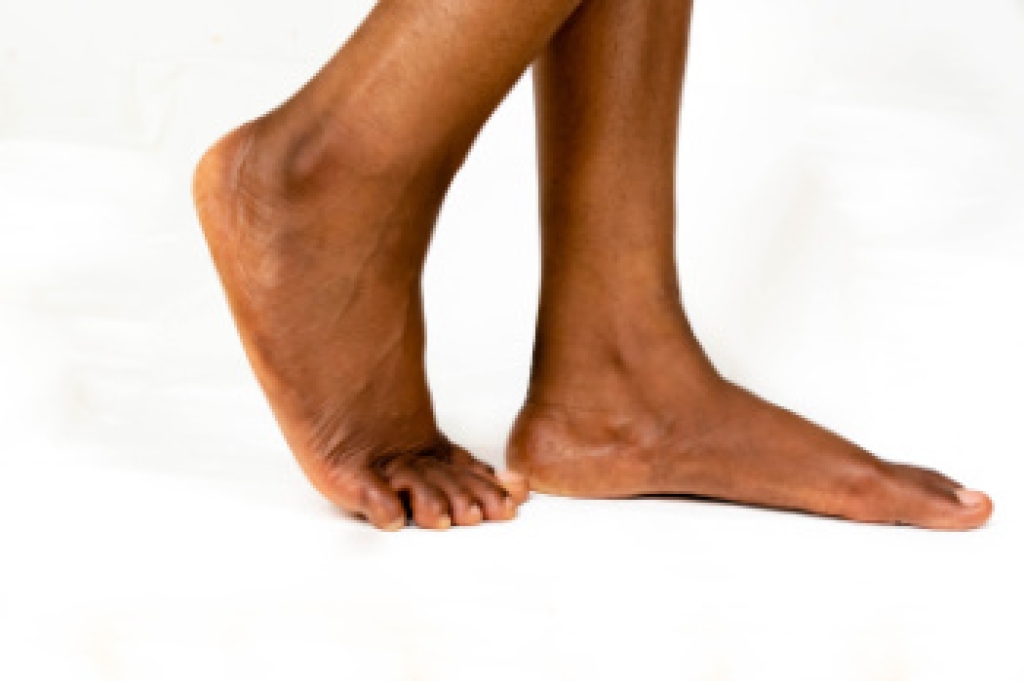
Flatfoot is a condition in which the arch of the foot is depressed and the sole of the foot is almost completely in contact with the ground. About 20-30% of the population generally has flat feet because their arches never formed during growth.

Conditions & Problems:

Having flat feet makes it difficult to run or walk because of the stress placed on the ankles.

Alignment – The general alignment of your legs can be disrupted, because the ankles move inward which can cause major discomfort.

Knees – If you have complications with your knees, flat feet can be a contributor to arthritis in that area.  

Symptoms

  • Pain around the heel or arch area
  • Trouble standing on the tip toe
  • Swelling around the inside of the ankle
  • Flat look to one or both feet
  • Having your shoes feel uneven when worn

Treatment

If you are experiencing pain and stress on the foot you may weaken the posterior tibial tendon, which runs around the inside of the ankle. 

If you have any questions, please feel free to contact our office located in Tuscon, AZ . We offer the newest diagnostic and treatment technologies for all your foot care needs.

Read more about Flat Feet

Plantar Warts Can Be Treated!

Plantar warts are small growths that develop on parts of the feet that bear weight. They're typically found on the bottom of the foot. Don't live with plantar warts, and call us today!

Connect With Us