
How a Podiatrist Can Help Relieve Toe Pain

Your big toe plays an important role in keeping you balanced and moving comfortably. It bends with each step and handles pressure when you stop quickly or change direction. Toe pain can make walking, standing, and bending difficult. While soreness after a busy day can happen, pain that keeps returning deserves attention. One possible cause is hallux rigidus, a form of arthritis that makes the big-toe joint stiff and painful. Arthritis means the joint becomes damaged and irritated. In its earlier stage, the condition is called hallux limitus, when the toe still bends but has limited movement. As stiffness increases, even simple activities can become uncomfortable.

Repeated pressure on the big toe can contribute to joint problems. People whose jobs require frequent crouching or bending may place extra strain on this area. Sports like golf and tennis also involve movements that stress the big-toe joint. An old injury, including a severely stubbed toe, can lead to lasting discomfort. Family history can play a role as well. Symptoms can include swelling, stiffness, and pain when pushing off the ground while walking. Some patients notice that the joint does not bend as easily as it once did. Toe pain can also come from other problems, so the location and pattern of discomfort matter when finding the cause.

A podiatrist can examine the big toe, check how far the joint moves, and identify areas of tenderness. X-rays can show changes in the joint and help determine how advanced the arthritis is. Treatment focuses on reducing pain and making movement easier. A podiatrist may recommend changes in shoe design to reduce pressure on the toe. Custom orthotics can improve support and limit painful joint motion. Medication or a targeted injection may also help control inflammation. Getting an accurate diagnosis early can help patients stay active and avoid unnecessary discomfort at work or during recreation. If you have toe pain, it is suggested that you schedule an appointment with a podiatrist for a diagnosis and appropriate treatment.

Toe pain can disrupt your daily activities. If you have any concerns, contact Barbara J. Aung, DPM of Aung Foot Health Clinic . Our doctor can provide the care you need to keep you pain-free and on your feet.

What Causes Toe Pain?

Most severe toe pain is caused due to a sports injury, trauma from dropping something heavy on the toe, or bumping into something rigid. Other problems can develop over time for various reasons.

Toe pain can be caused by one or more ailments. The most common include:

  • Trauma
  • Sports injury
  • Wearing shoes that are too tight
  • Arthritis
  • Gout
  • Corns and calluses
  • Hammertoe
  • Bunions
  • Blisters
  • Ingrown toenails
  • Sprains
  • Fractures (broken bones)
  • Dislocations

When to See a Podiatrist

  • Severe pain
  • Persistent pain that lasts more than a week
  • Signs of infection
  • Continued swelling
  • Pain that prevents walking

Diagnosis

In many cases the cause of toe pain is obvious, but in others, a podiatrist may want to use more advanced methods to determine the problem. These can range from simple visual inspections and sensation tests to X-rays and MRI scans. Prior medical history, family medical history, and any recent physical traumatic events will all be taken into consideration for a proper diagnosis.

Treatment

Treatments for toe pain and injuries vary and may include shoe inserts, padding, taping, medicines, injections, and in some cases, surgery. If you believe that you have broken a toe, please see a podiatrist as soon as possible.

If you have any questions please contact our office located in Tuscon, AZ . We offer the newest diagnostic and treatment technologies for all your foot and ankle needs.
Read more about Toe Pain

How to Recognize the Early Signs of Toenail Fungus

Toenail fungus is a common infection that develops when fungi grow in or beneath the toenail. It often begins when these organisms enter through tiny cracks in the nail or nearby skin. The infection can develop slowly and may affect one or several toenails. Warm, damp environments provide ideal conditions for fungal growth. Shared showers, locker rooms, and swimming pool areas can expose bare feet to fungi. Recognizing early changes can help you seek podiatric care before the infection worsens.

Several factors can increase the risk of developing toenail fungus. For instance, wearing sweaty shoes for long periods of time creates moisture that allows fungi to thrive. Tight footwear can also damage toenails, making it easier for infection to begin. Older adults may be more vulnerable because nail growth slows with age. Athlete’s foot is another common concern because the fungus can spread from the surrounding skin to the toenails. Keeping feet clean and dry can help lower the risk.


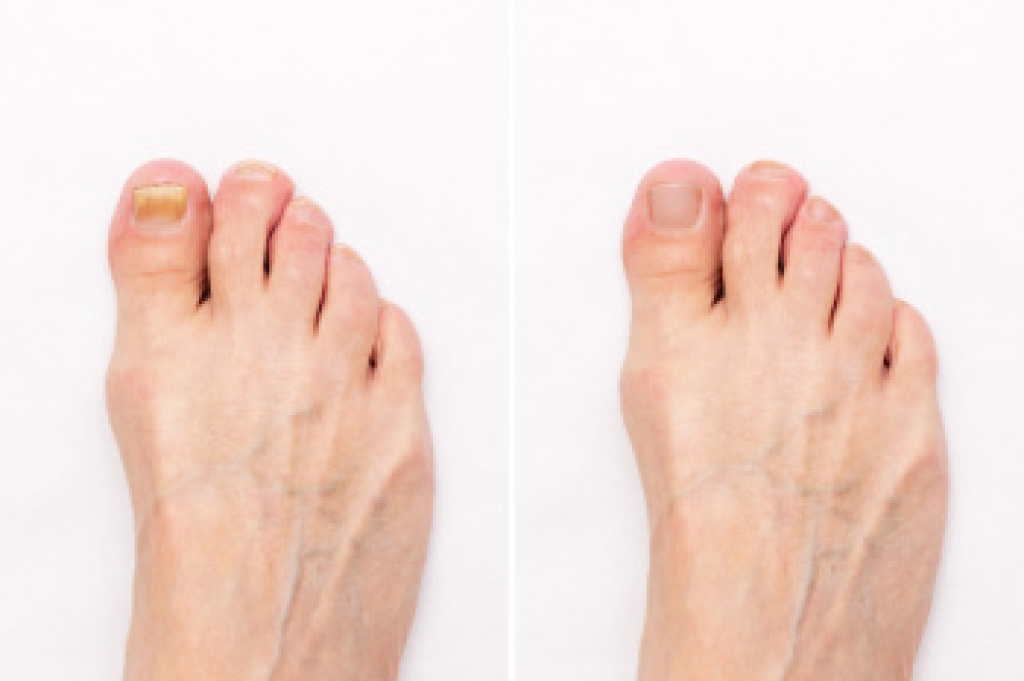
Toenail fungus often changes the nail’s appearance. An affected nail may turn yellow, white, or brown. It can become thick, brittle, or crumbly around the edges. Some nails develop an unusual shape or begin separating from the nail bed. You may notice an unpleasant odor or discomfort when wearing shoes. Injury and other nail conditions can cause similar changes. A podiatrist can examine the nail and collect a sample when needed to confirm the diagnosis before recommending treatment.


Treatment depends on the severity of the infection and your overall health. A podiatrist may carefully trim or thin the affected nail to improve comfort. Prescription topical medication may help treat milder infections, while oral medication may be appropriate for certain cases. Results take time because healthy toenails grow slowly. To reduce reinfection, change socks regularly, dry your feet thoroughly, and wear shower shoes in shared wet areas. If you notice signs of toenail fungus, it is suggested that you consult a podiatrist for an accurate diagnosis and appropriate treatment.

If left untreated, toenail fungus may spread to other toenails, skin, or even fingernails. If you suspect you have toenail fungus it is important to seek treatment right away. For more information about treatment, contact Barbara J. Aung, DPM of Aung Foot Health Clinic . Our doctor can provide the care you need to keep you pain-free and on your feet.

Symptoms

  • Warped or oddly shaped nails
  • Yellowish nails
  • Loose/separated nail
  • Buildup of bits and pieces of nail fragments under the nail
  • Brittle, broken, thickened nail

Treatment

If self-care strategies and over-the-counter medications does not help your fungus, your podiatrist may give you a prescription drug instead. Even if you find relief from your toenail fungus symptoms, you may experience a repeat infection in the future.

Prevention

In order to prevent getting toenail fungus in the future, you should always make sure to wash your feet with soap and water. After washing, it is important to dry your feet thoroughly especially in between the toes. When trimming your toenails, be sure to trim straight across instead of in a rounded shape. It is crucial not to cover up discolored nails with nail polish because that will prevent your nail from being able to “breathe”.

In some cases, surgical procedure may be needed to remove the toenail fungus. Consult with your podiatrist about the best treatment options for your case of toenail fungus.  

If you have any questions please contact our office located in Tuscon, AZ . We offer the newest diagnostic and treatment technologies for all your foot and ankle needs.

Read more about Toenail Fungus

Are You Suffering From Ingrown Toenails?

If left untreated, an ingrown toenail can lead to more serious concerns, such as an infection. Knowing proper nail care can help in the prevention of an ingrown toenail. Give us a call, and get treated!

Foot and Ankle Biomechanics

How the bones, joints, and muscles work together to support movement is known as foot and ankle biomechanics. Every step places force on the feet, making proper movement important for maintaining balance and stability. When walking, the feet absorb pressure as they contact the ground and then become firm enough to push the body forward. This process helps distribute body weight and supports efficient movement. When normal foot mechanics are disrupted, certain areas may experience excessive pressure or strain. These repeated forces may contribute to joint discomfort, tendon irritation, or other foot and ankle problems. Understanding biomechanics helps explain why some individuals experience persistent foot pain during everyday activities.


Foot structure plays an important role in how pressure moves through the feet. Individuals with flat feet may experience increased stress along certain areas of the ankle. Those with high arches may place greater pressure on other structures. Muscle imbalances may also affect how the feet move while walking. These differences sometimes lead to changes in walking patterns, also known as gait. When foot pain develops, individuals may shorten their steps or spend less time placing weight on the affected foot. These adjustments may temporarily reduce discomfort but also change how forces are distributed. Repeated stress on specific joints or tendons may eventually contribute to ongoing pain and reduced mobility.


A podiatrist evaluates foot biomechanics by examining foot structure, joint movement, and walking patterns. This assessment helps identify areas experiencing excessive pressure or abnormal movement. Care from a podiatrist focuses on improving foot function and addressing factors that contribute to discomfort. Treatment recommendations depend on the individual's foot structure and the specific movement problems identified during the examination. Understanding how the feet absorb and distribute force helps guide appropriate care and reduce unnecessary strain. If you are experiencing persistent foot pain or difficulty walking comfortably, it is suggested that you consult a podiatrist for a biomechanical evaluation and appropriate treatment options.

If you have any concerns about your feet, contact Barbara J. Aung, DPM from Aung Foot Health Clinic . Our doctor can provide the care you need to keep you pain-free and on your feet.

Biomechanics in Podiatry

Podiatric biomechanics is a particular sector of specialty podiatry with licensed practitioners who are trained to diagnose and treat conditions affecting the foot, ankle and lower leg. Biomechanics deals with the forces that act against the body, causing an interference with the biological structures. It focuses on the movement of the ankle, the foot and the forces that interact with them.

A History of Biomechanics

  • Biomechanics dates back to the BC era in Egypt where evidence of professional foot care has been recorded.
  • In 1974, biomechanics gained a higher profile from the studies of Merton Root, who claimed that by changing or controlling the forces between the ankle and the foot, corrections or conditions could be implemented to gain strength and coordination in the area.

Modern technological improvements are based on past theories and therapeutic processes that provide a better understanding of podiatric concepts for biomechanics. Computers can provide accurate information about the forces and patterns of the feet and lower legs.

Understanding biomechanics of the feet can help improve and eliminate pain, stopping further stress to the foot.

If you have any questions please feel free to contact our office located in Tuscon, AZ . We offer the newest diagnostic and treatment technologies for all your foot and ankle needs.
Read more about Biomechanics in Podiatry

Diabetes and Keeping Your Feet Healthy

Diabetes is a metabolic disorder that affects how the body uses blood sugar for energy. When blood sugar remains too high, it can gradually affect nerves and blood vessels throughout the body. The feet can be especially vulnerable because reduced sensation and poor circulation may make injuries harder to notice and heal. A small blister, cut, or sore can become a serious foot problem when it goes untreated. Learning how diabetes affects the feet can help you protect your comfort, mobility, and overall foot health.

Diabetes may damage nerves, a condition called diabetic neuropathy. This can cause numbness, tingling, or reduced feeling in the feet. High blood sugar can also affect blood vessels and reduce blood flow. When circulation is poor, the feet may not receive enough oxygen and nutrients needed for healing. Risk factors include uncontrolled blood sugar, smoking, and a history of foot problems. Regular medical care and good blood sugar management can help lower the risk of complications.

Daily foot care is an important part of living with diabetes. Check both feet every day for cuts, blisters, or changes in the skin. Wash your feet with warm water and mild soap, then dry them carefully. Choose comfortable shoes that fit well, and avoid walking barefoot. Regular exercise can support healthy blood flow to the feet, while avoiding smoking can further protect circulation. If you notice a wound or unusual change, do not ignore it or wait for it to improve.

A podiatrist can help prevent and manage diabetes-related foot problems. During an examination, the podiatrist may check sensation, circulation, and areas of pressure. If a wound is present, treatment by a podiatrist may include cleaning, debridement, and infection management. The podiatrist may also recommend diabetic footwear or other protective measures. If you have diabetes and have developed foot problems,  it is strongly suggested that you are under the care of a podiatrist who can help you to manage this serious condition.

Diabetic foot care is important in preventing foot ailments such as ulcers. If you are suffering from diabetes or have any other concerns about your feet, contact Barbara J. Aung, DPM from Aung Foot Health Clinic . Our doctor can provide the care you need to keep you pain-free and on your feet.

Diabetic Foot Care

Diabetes affects millions of people every year. The condition can damage blood vessels in many parts of the body, especially the feet. Because of this, taking care of your feet is essential if you have diabetes, and having a podiatrist help monitor your foot health is highly recommended.

The Importance of Caring for Your Feet

  • Routinely inspect your feet for bruises or sores.
  • Wear socks that fit your feet comfortably.
  • Wear comfortable shoes that provide adequate support.

Patients with diabetes should have their doctor monitor their blood levels, as blood sugar levels play such a huge role in diabetic care. Monitoring these levels on a regular basis is highly advised.

It is always best to inform your healthcare professional of any concerns you may have regarding your feet, especially for diabetic patients. Early treatment and routine foot examinations are keys to maintaining proper health, especially because severe complications can arise if proper treatment is not applied.

If you have any questions, please feel free to contact our office located in Tuscon, AZ . We offer the newest diagnostic and treatment technologies for all your foot care needs.

Read more about Diabetic Foot Care

Connect With Us