Clubfoot and Podiatric Care

Clubfoot is a congenital foot deformity in which a baby is born with one or both feet twisted inward and downward. The condition affects the bones, muscles, tendons, and ligaments, causing the foot to appear stiff and misaligned. Causes are not always known, but genetics, neuromuscular conditions, and developmental factors during pregnancy may play a role. Symptoms include an abnormal foot position, limited range of motion, differences in foot size, and difficulty bearing weight as a child grows. Without treatment, clubfoot can lead to pain and problems with walking. A podiatrist can help by diagnosing the condition early and coordinating appropriate care. Treatment may include gentle stretching, casting, bracing, and long-term monitoring to support proper development. If your child shows signs of clubfoot or abnormal foot positioning, it is strongly suggested that you include a podiatrist on your health care team to ensure an effective growth and mobility.

Congenital foot problems require immediate attention to avoid future complications. If you have any concerns, contact Barbara J. Aung, DPM of Aung Foot Health Clinic . Our doctor can provide the care you need to keep you pain-free and on your feet.

Congenital foot problems are deformities affecting the feet, toes, and/or ankles that children are born with. Some of these conditions have a genetic cause while others just happen. Some specific foot ailments that children may be born with include clubfeet, polydactyly/macrodactyly, and cleft foot. There are several other foot anomalies that can occur congenitally. What all of these conditions have in common is that a child may experience difficulty walking or performing everyday activities, as well as trouble finding footwear that fits their foot deformity. Some of these conditions are more serious than others. Consulting with a podiatrist as early as possible will help in properly diagnosing a child’s foot condition while getting the necessary treatment underway.

What are Causes of Congenital Foot Problem?

A congenital foot problem is one that happens to a child at birth. These conditions can be caused by a genetic predisposition, developmental or positional abnormalities during gestation, or with no known cause.

What are Symptoms of Congenital Foot Problems?

Symptoms vary by the congenital condition. Symptoms may consist of the following:

  • Clubfoot, where tendons are shortened, bones are shaped differently, and the Achilles tendon is tight, causing the foot to point in and down. It is also possible for the soles of the feet to face each other.
  • Polydactyly, which usually consists of a nubbin or small lump of tissue without a bone, a toe that is partially formed but has no joints, or an extra toe.
  • Vertical talus, where the talus bone forms in the wrong position causing other bones in the foot to line up improperly, the front of the foot to point up, and the bottom of the foot to stiffen, with no arch, and to curve out.
  • Tarsal coalition, when there is an abnormal connection of two or more bones in the foot leading to severe, rigid flatfoot.
  • Cleft foot, where there are missing toes, a V-shaped cleft, and other anatomical differences.
  • Macrodactyly, when the toes are abnormally large due to overgrowth of the underlying bone or soft tissue.

Treatment and Prevention

While there is nothing one can do to prevent congenital foot problems, raising awareness and receiving neonatal screenings are important. Early detection by taking your child to a podiatrist leads to the best outcome possible.

If you have any questions, please feel free to contact our office located in Tuscon, AZ . We offer the newest diagnostic and treatment technologies for all your foot care needs.


Read more about Congenital Foot Problems

Do Your Child's Feet Hurt?

Have your child's feet been examined lately? Healthy feet are happy feet. If your child is complaining of foot pain, it may be a sign of underlying problems.

Managing Plantar Warts

Plantar warts are skin growths on the bottom of the foot caused by the human papillomavirus, or HPV, which enters through tiny cuts or weak spots in the skin. They may appear as small, rough, grainy lesions that interrupt the normal lines of the skin, sometimes with tiny dark spots inside. Plantar warts can feel tender or painful while standing or walking, often creating a sensation similar to stepping on a pebble. Symptoms may include localized pressure, mild swelling, or discomfort that worsens with activity. Causes are often linked to walking barefoot in warm and moist environments, such as locker rooms or around pools, as well as reduced immunity or repetitive foot stress. A podiatrist can start by evaluating the lesion, confirming the diagnosis, and ruling out other conditions like corns or calluses. Treatment options include topical therapies, debridement, or custom padding to relieve pressure. Because early professional care supports faster relief and prevents spreading, it is suggested that you schedule an appointment with a podiatrist for effective relief and treatment solutions.

Plantar warts can be very uncomfortable. If you need your feet checked, contact Barbara J. Aung, DPM from Aung Foot Health Clinic . Our doctor will assist you with all of your foot and ankle needs.

About Plantar Warts

Plantar warts are the result of HPV, or human papillomavirus, getting into open wounds on the feet. They are mostly found on the heels or balls of the feet.

While plantar warts are generally harmless, those experiencing excessive pain or those suffering from diabetes or a compromised immune system require immediate medical care. Plantar warts are easily diagnosed, usually through scraping off a bit of rough skin or by getting a biopsy.

Symptoms

  • Lesions on the bottom of your feet, usually rough and grainy
  • Hard or thick callused spots
  • Wart seeds, which are small clotted blood vessels that look like little black spots
  • Pain, discomfort, or tenderness of your feet when walking or standing

Treatment

  • Freezing
  • Electric tool removal
  • Laser Treatment
  • Topical Creams (prescription only)
  • Over-the-counter medications

To help prevent developing plantar warts, avoid walking barefoot over abrasive surfaces that can cause cuts or wounds for HPV to get into. Avoiding direct contact with other warts, as well as not picking or rubbing existing warts, can help prevent the further spread of plantar warts. However, if you think you have developed plantar warts, speak to your podiatrist. He or she can diagnose the warts on your feet and recommend the appropriate treatment options.

If you have any questions, please feel free to contact our office located in Tuscon, AZ . We offer the newest diagnostic and treatment technologies for all your foot care needs.

Read more about What Are Plantar Warts?

Risk Factors for Toenail Fungus

Toenail fungus develops when fungi enter the nail through small openings in the skin, and certain factors increase the risk of this happening. Tight shoes that place ongoing pressure on the toenails and walking barefoot in warm, damp areas like pools or locker rooms increase exposure to fungal organisms. Repeated nail damage from sports or rubbing inside shoes also creates openings where fungus can grow. People with circulation problems in the feet, including long-term vascular issues, have a higher risk because the body has a harder time fighting infections in the toes. Constant moisture around the toenails, artificial nails on the toes, and skin conditions that affect the nail surface can also increase vulnerability. A podiatrist can assess nail discoloration, thickening, or shape changes and provide the appropriate treatment, including surgery when needed. If you have toenails that have changed in appearance, it is suggested that you make an appointment with a podiatrist for a diagnosis and treatment.

For more information about treatment, contact Barbara J. Aung, DPM of Aung Foot Health Clinic . Our doctor can provide the care you need to keep you pain-free and on your feet.

Toenail Fungus Treatment

Toenail fungus is a condition that affects many people and can be especially hard to get rid of. Fortunately, there are several methods to go about treating and avoiding it.

Antifungals & Deterrence

Oral antifungal medicine has been shown to be effective in many cases. It is important to consult with a podiatrist to determine the proper regiment for you, or potentially explore other options.

Applying foot powder on the feet and shoes helps keep the feet free of moisture and sweat.

Sandals or open toed shoes – Wearing these will allow air movement and help keep feet dry. They also expose your feet to light, which fungus cannot tolerate. Socks with moisture wicking material also help as well.

If you have any questions please contact our office located in Tuscon, AZ . We offer the newest diagnostic and treatment technologies for all your foot and ankle needs.

Read more about How to Treat Your Toenail Fungus

Relieving Heel Pain from Plantar Fasciitis

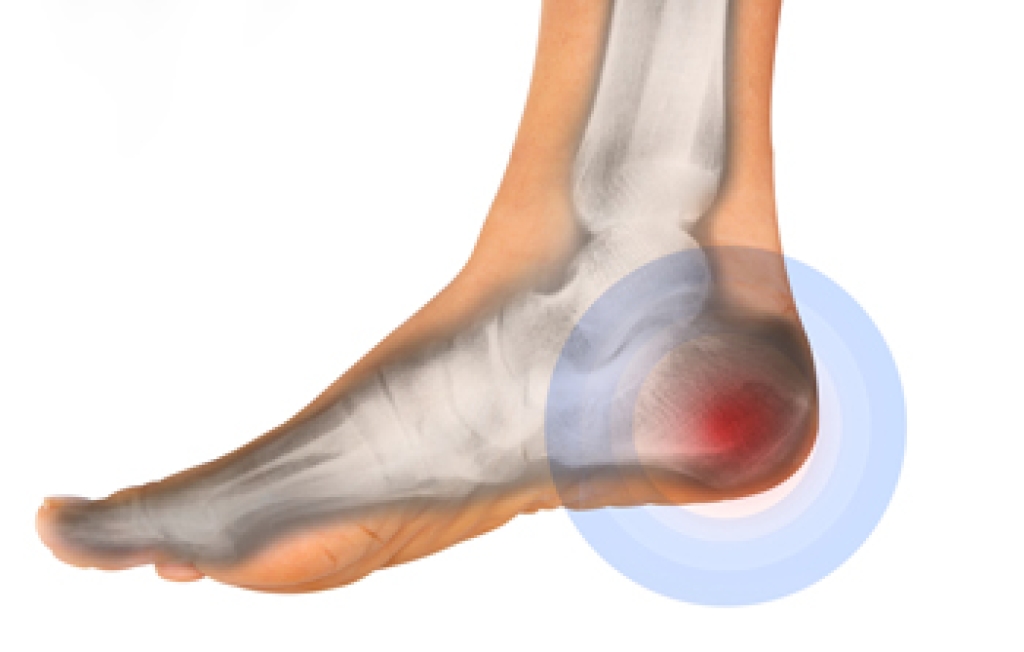
Plantar fasciitis is a common cause of heel pain that occurs when the thick band of tissue connecting the heel to the toes becomes inflamed. This is often due to overuse, improper footwear, obesity, or high impact activities, such as running or jumping. It may not be visibly obvious, but the heel can feel tender, stiff, or swollen, and many individuals describe sharp, stabbing pain with the first steps in the morning or after prolonged periods of sitting. Pain may decrease slightly with movement but often returns later in the day. A podiatrist can diagnose the condition through a physical examination, gait analysis, and imaging if needed. Treatment options include stretching exercises, supportive footwear, custom orthotics, anti-inflammatory therapies, or advanced interventions for chronic cases. Early professional care helps reduce pain and prevent long-term complications. If you experience persistent heel discomfort, it is suggested that you make an appointment with a podiatrist.

Plantar fasciitis is a common foot condition that is often caused by a strain injury. If you are experiencing heel pain or symptoms of plantar fasciitis, contact Barbara J. Aung, DPM from Aung Foot Health Clinic . Our doctor can provide the care you need to keep you pain-free and on your feet.

What Is Plantar Fasciitis?

Plantar fasciitis is one of the most common causes of heel pain. The plantar fascia is a ligament that connects your heel to the front of your foot. When this ligament becomes inflamed, plantar fasciitis is the result. If you have plantar fasciitis you will have a stabbing pain that usually occurs with your first steps in the morning. As the day progresses and you walk around more, this pain will start to disappear, but it will return after long periods of standing or sitting.

What Causes Plantar Fasciitis?

  • Excessive running
  • Having high arches in your feet
  • Other foot issues such as flat feet
  • Pregnancy (due to the sudden weight gain)
  • Being on your feet very often

There are some risk factors that may make you more likely to develop plantar fasciitis compared to others. The condition most commonly affects adults between the ages of 40 and 60. It also tends to affect people who are obese because the extra pounds result in extra stress being placed on the plantar fascia.

Prevention

  • Take good care of your feet – Wear shoes that have good arch support and heel cushioning.
  • Maintain a healthy weight
  • If you are a runner, alternate running with other sports that won’t cause heel pain

There are a variety of treatment options available for plantar fasciitis along with the pain that accompanies it. Additionally, physical therapy is a very important component in the treatment process. It is important that you meet with your podiatrist to determine which treatment option is best for you.

If you have any questions, please feel free to contact our office located in Tuscon, AZ . We offer the newest diagnostic and treatment technologies for all your foot care needs.
 

Read more about Plantar Fasciitis

Connect With Us