
If you are suffering from tenderness, pain, or stiffness in the joints of your feet or ankles, call us to schedule an appointment.
If you are suffering from tenderness, pain, or stiffness in the joints of your feet or ankles, call us to schedule an appointment.
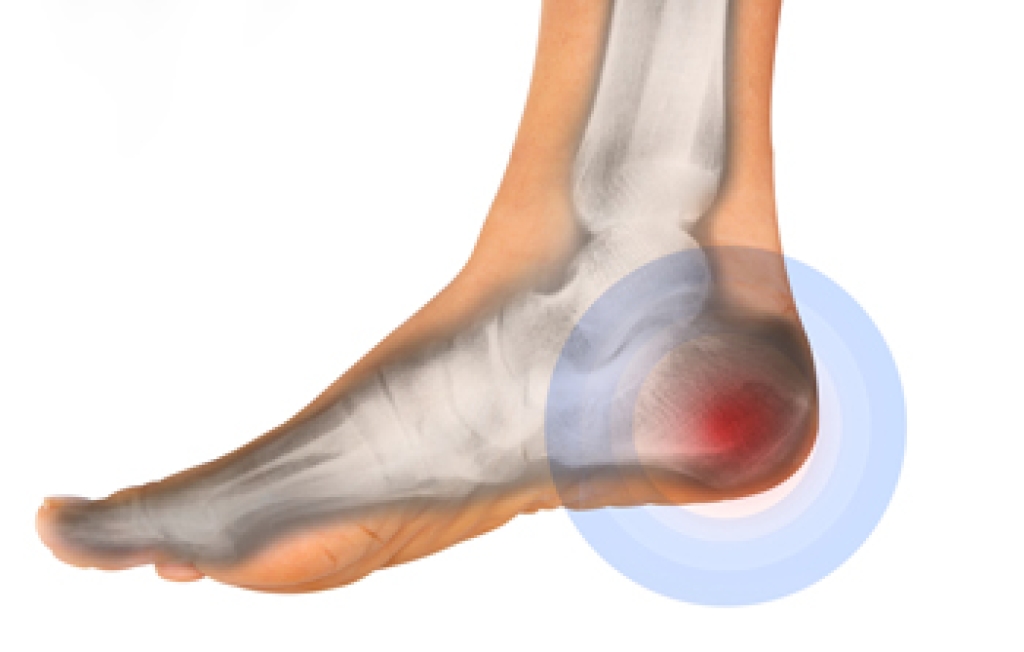
The heel fat pad is a thick layer of soft tissue beneath the heel bone that cushions each step. Heel fat pad atrophy develops when this protective layer becomes thinner or loses some of its spring. The heel then has less protection from the force created while walking, running, or standing. Aging can contribute to these changes. Repeated impact and an uneven walking pattern can place added strain on the pad. Certain health conditions, including diabetes, rheumatoid arthritis, and lupus, can also affect this tissue.
Heel fat pad atrophy causes a deep, bruise-like pain in the center of the heel. The discomfort can become stronger on hard floors or after long periods of standing. Some patients feel pain while resting or when firm pressure is placed on the heel. These symptoms can resemble plantar fasciitis, but the location of the pain is usually different. Plantar fasciitis tends to cause pain closer to the inner front edge of the heel. An accurate diagnosis is important because these two problems require different care. Without proper treatment, heel pain can affect a patient’s walking pattern and increase pressure elsewhere in the foot.
A podiatrist can examine the heel, review the patient’s symptoms, and study how the foot moves. X-rays can help rule out a bone injury or another source of pain. Ultrasound imaging can show the thickness and condition of the heel pad. Once the cause is identified, the podiatrist can recommend treatment based on foot structure and activity level. Treatment can include custom orthotics, cushioned heel cups, or taping to hold the heel pad in a better position. The podiatrist can recommend shoes with proper cushioning and support. Regular evaluations can track changes in the heel and allow the treatment plan to be adjusted. If you have pain, it is suggested that you schedule an appointment with a podiatrist who can accurately diagnose and treat heel pad atrophy.
Many people suffer from bouts of heel pain. For more information, contact Barbara J. Aung, DPM of Aung Foot Health Clinic . Our doctor can provide the care you need to keep you pain-free and on your feet.
Causes of Heel Pain
Heel pain is often associated with plantar fasciitis. The plantar fascia is a band of tissues that extends along the bottom of the foot. A rip or tear in this ligament can cause inflammation of the tissue.
Achilles tendonitis is another cause of heel pain. Inflammation of the Achilles tendon will cause pain from fractures and muscle tearing. Lack of flexibility is also another symptom.
Heel spurs are another cause of pain. When the tissues of the plantar fascia undergo a great deal of stress, it can lead to ligament separation from the heel bone, causing heel spurs.
Why Might Heel Pain Occur?
Treatments
Heel pain should be treated as soon as possible for immediate results. Keeping your feet in a stress-free environment will help. If you suffer from Achilles tendonitis or plantar fasciitis, applying ice will reduce the swelling. Stretching before an exercise like running will help the muscles. Using all these tips will help make heel pain a condition of the past.
If you have any questions, please feel free to contact our office located in Tuscon, AZ . We offer the newest diagnostic and treatment technologies for all your foot care needs.
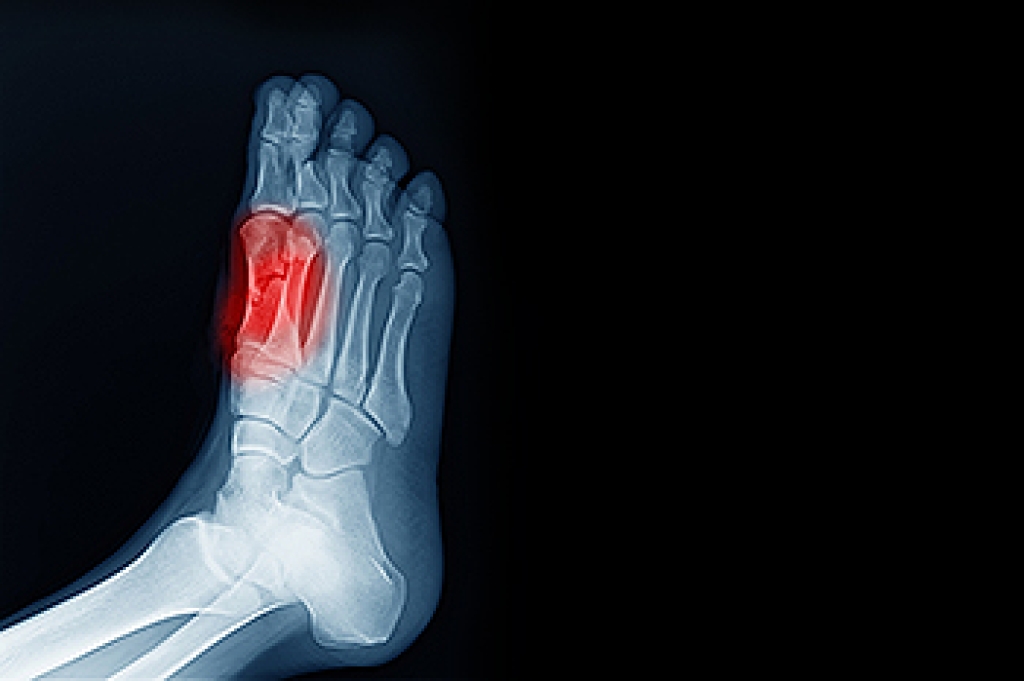
Sesamoiditis is irritation or inflammation of the small bones beneath the big toe joint called sesamoids. These bones help protect the tendons and absorb pressure as the foot moves. When they experience too much repeated stress, the surrounding tissues can become irritated and painful. Sesamoiditis often affects people who spend a lot of time on their feet or participate in activities that place pressure on the ball of the foot. Recognizing the early signs can help you get comfortable and return to your normal routine.
Physical activity is a common reason sesamoiditis develops. Dancers and soccer players may experience this condition because their activities require frequent pushing off through the toes. Running and jumping can also place repeated pressure beneath the big toe. Suddenly increasing your exercise routine may make the problem more likely. Wearing high heels can shift your body weight toward the front of the foot and increase pressure on the sesamoid bones. Wearing poorly cushioned shoes, prolonged standing, and previous injuries can also contribute.
Sesamoiditis symptoms often develop gradually and may include pain beneath the big toe, swelling, and tenderness. You may notice discomfort when walking, bending the big toe, or participating in favorite activities. A podiatrist can begin by discussing your symptoms, activity level, and footwear. The foot may be examined for tenderness and movement problems. Imaging may also be recommended to rule out a fracture or another condition. Treatment often begins with rest, activity changes, and wearing supportive footwear.
Healing requires giving irritated tissues enough time to recover while reducing pressure on the affected area. A podiatrist may recommend cushioning, padding, or orthotics to help redistribute pressure. More severe cases may require temporary immobilization with a walking boot. Follow-up appointments allow the podiatrist to monitor healing and adjust treatment as needed. If you have symptoms of sesamoiditis, it is suggested that you consult a podiatrist for an accurate diagnosis and appropriate treatment.
Sesamoiditis is an unpleasant foot condition characterized by pain in the balls of the feet. If you think you’re struggling with sesamoiditis, contact Barbara J. Aung, DPM of Aung Foot Health Clinic . Our doctor will treat your condition thoroughly and effectively.
Sesamoiditis
Sesamoiditis is a condition of the foot that affects the ball of the foot. It is more common in younger people than it is in older people. It can also occur with people who have begun a new exercise program, since their bodies are adjusting to the new physical regimen. Pain may also be caused by the inflammation of tendons surrounding the bones. It is important to seek treatment in its early stages because if you ignore the pain, this condition can lead to more serious problems such as severe irritation and bone fractures.
Causes of Sesamoiditis
Treatment for sesamoiditis is non-invasive and simple. Doctors may recommend a strict rest period where the patient forgoes most physical activity. This will help give the patient time to heal their feet through limited activity. For serious cases, it is best to speak with your doctor to determine a treatment option that will help your specific needs.
If you have any questions, please feel free to contact our office located in Tuscon, AZ . We offer the newest diagnostic and treatment technologies for all your foot care needs.

A foot stress fracture is a small crack in a bone caused by repeated pressure and overuse. Runners, dancers, and athletes are particularly susceptible because their activities place repeated stress on the feet. Stress fractures can affect several bones, but they commonly develop in the foot. One of the first signs is localized pain without an obvious injury. The discomfort may begin as a dull ache and become stronger during activity. Some people experience deep aching, tenderness, or weakness around the affected area. Unlike a complete fracture, a stress fracture may not prevent normal movement. Swelling can be mild or absent, and bruising may not occur, making the injury easy to overlook.
Pain from a stress fracture often becomes more noticeable during running, dancing, or sports. Continuing activities that repeatedly stress the affected bone can worsen the injury and delay healing. Stress fractures vary in severity, and some occur in bones that heal more easily than others. A podiatrist can evaluate symptoms, examine the foot, and order imaging tests when necessary to determine whether a stress fracture is present. Treatment depends on the affected bone, fracture severity, and activity level.
Treatment commonly involves reducing pressure on the foot and using supportive footwear, immobilization, or other measures to protect the injured bone while it heals. Some stress fractures may require more extensive treatment, and surgery may occasionally be necessary. A gradual return to normal activities is recommended after adequate healing has occurred.
Persistent or increasing foot pain should not be assumed to be a minor sprain. Stress fractures can develop without a major accident or direct blow, particularly in people who participate regularly in high-impact activities. Early evaluation can help prevent the injury from becoming more serious and support proper healing. If you have localized foot pain or symptoms of a stress fracture, it is suggested that you schedule an appointment with a podiatrist for a diagnosis and appropriate treatment.
Stress fractures occur when there is a tiny crack within a bone. To learn more, contact Barbara J. Aung, DPM from Aung Foot Health Clinic . Our doctor can provide the care you need to keep you pain free and on your feet.
How Are They Caused?
Stress fractures are the result of repetitive force being placed on the bone. Since the lower leg and feet often carry most of the body’s weight, stress fractures are likely to occur in these areas. If you rush into a new exercise, you are more likely to develop a stress fracture since you are starting too much, too soon. Pain resulting from stress fractures may go unnoticed at first, however it may start to worsen over time.
Risk Factors
Stress fractures do not always heal properly, so it is important that you seek help from a podiatrist if you suspect you may have one. Ignoring your stress fracture may cause it to worsen, and you may develop chronic pain as well as additional fractures.
If you have any questions please contact our office located in Tuscon, AZ . We offer the newest diagnostic and treatment technologies for all your foot and ankle needs.

A broken foot can make standing and walking painful because the foot carries body weight with every step. The foot contains 26 bones that work with joints, muscles, and tendons to support movement. A fracture means that one or more of these bones has cracked or broken. Causes include falls, crush injuries, and direct blows. Twisting injuries can also break bones. Stress fractures can develop from repeated force linked to activities like walking or running. The location of the injury helps determine how serious the fracture is and how long recovery can take.
Pain, swelling, and bruising are important signs of a broken foot. Patients can also develop tenderness or a limp, and putting weight on the injured foot can become very painful. A badly displaced fracture can change the shape of the foot. Numbness or tingling in the toes can point to nerve involvement. Some fractures break through the skin, creating an open wound and a greater risk of infection. X-rays can show many foot fractures. Certain injuries can require additional imaging when the fracture is difficult to see or involves a complex area of the foot.
A podiatrist can examine the foot, identify where the pain is located, and check movement and circulation. Treatment depends on which bone is broken and whether the pieces remain properly aligned. A podiatrist can prescribe a stiff-soled shoe, walking boot, or cast to protect certain fractures. Some displaced or complex fractures require surgery to restore stability and proper bone position. Careful treatment is important because complications can include poor bone healing, arthritis, and infection. A podiatrist can monitor healing and determine when the foot can safely handle more weight. If you have broken your foot, it is suggested that you schedule an appointment with a podiatrist effective treatment solutions.
A broken foot requires immediate medical attention and treatment. If you need your feet checked, contact Barbara J. Aung, DPM from Aung Foot Health Clinic . Our doctor can provide the care you need to keep you pain-free and on your feet.
Broken Foot Causes, Symptoms, and Treatment
A broken foot is caused by one of the bones in the foot typically breaking when bended, crushed, or stretched beyond its natural capabilities. Usually the location of the fracture indicates how the break occurred, whether it was through an object, fall, or any other type of injury.
Common Symptoms of Broken Feet:
Those that suspect they have a broken foot shoot seek urgent medical attention where a medical professional could diagnose the severity.
Treatment for broken bones varies depending on the cause, severity and location. Some will require the use of splints, casts or crutches while others could even involve surgery to repair the broken bones. Personal care includes the use of ice and keeping the foot stabilized and elevated.
If you have any questions, please feel free to contact our office located in Tuscon, AZ . We offer the newest diagnostic and treatment technologies for all your foot care needs.
Connect With Us