
What Causes Shooting Pain in the Foot

A sudden shooting pain in the foot can stop you in your tracks. It may strike the heel, ball of the foot, or toes. Some patients describe the feeling as sharp, burning, or electric. The pain might appear with the first steps of the day, while walking, or even when the foot is at rest. Where the pain begins and what triggers it can help identify the cause. Numbness, swelling, or weakness are also important signs. Shooting pain that returns or becomes stronger indicates the need to see a podiatrist.

Several problems can cause this type of pain. Plantar fasciitis irritates the band of tissue that supports the arch and can send pain from the heel forward. A pinched or damaged nerve can create electric pain, tingling, and numbness. Morton's neuroma is thickened tissue surrounding a nerve near the toes, and it can cause burning pain in the ball of the foot. Other causes of shooting foot pain include a stress fracture, tendon irritation, or gout. Because diabetes can damage nerves in the feet, patients with this condition should report new pain quickly.

A podiatrist can find the source of shooting pain through a foot exam and a review of when symptoms began. The doctor may check the foot's movement, strength, and sensitive areas. X-rays or imaging can reveal a fracture or changes within the joints. Nerve testing can help when numbness, tingling, or burning occurs. Depending on the cause, treatment options include custom orthotics, supportive shoe guidance, or medication. In some cases, a brace or walking boot may be needed for protection or stability. Severe nerve pressure, a fracture, or joint damage may require surgery. Early care can prevent a treatable problem from becoming harder to manage. If you are experiencing shooting pain in the foot, it is suggested that you schedule an appointment with a podiatrist for a diagnosis and appropriate treatment.

Foot Pain

Foot pain can be extremely painful and debilitating. If you have a foot pain, consult with Barbara J. Aung, DPM from Aung Foot Health Clinic . Our doctor will assess your condition and provide you with quality foot and ankle treatment.

Causes

Foot pain is a very broad condition that could be caused by one or more ailments. The most common include:

  • Bunions
  • Hammertoes
  • Plantar Fasciitis
  • Bone Spurs
  • Corns
  • Tarsal Tunnel Syndrome
  • Ingrown Toenails
  • Arthritis (such as Gout, Rheumatoid, and Osteoarthritis)
  • Flat Feet
  • Injury (from stress fractures, broken toe, foot, ankle, Achilles tendon ruptures, and sprains)
  • And more

Diagnosis

To figure out the cause of foot pain, podiatrists utilize several different methods. This can range from simple visual inspections and sensation tests to X-rays and MRI scans. Prior medical history, family medical history, and any recent physical traumatic events will all be taken into consideration for a proper diagnosis.

Treatment

Treatment depends upon the cause of the foot pain. Whether it is resting, staying off the foot, or having surgery; podiatrists have a number of treatment options available for foot pain.

If you have any questions, please feel free to contact our office located in Tuscon, AZ . We offer the newest diagnostic and treatment technologies for all your foot care needs.
Read more about Foot Pain

Ingrown Toenail Treatment and Symptoms

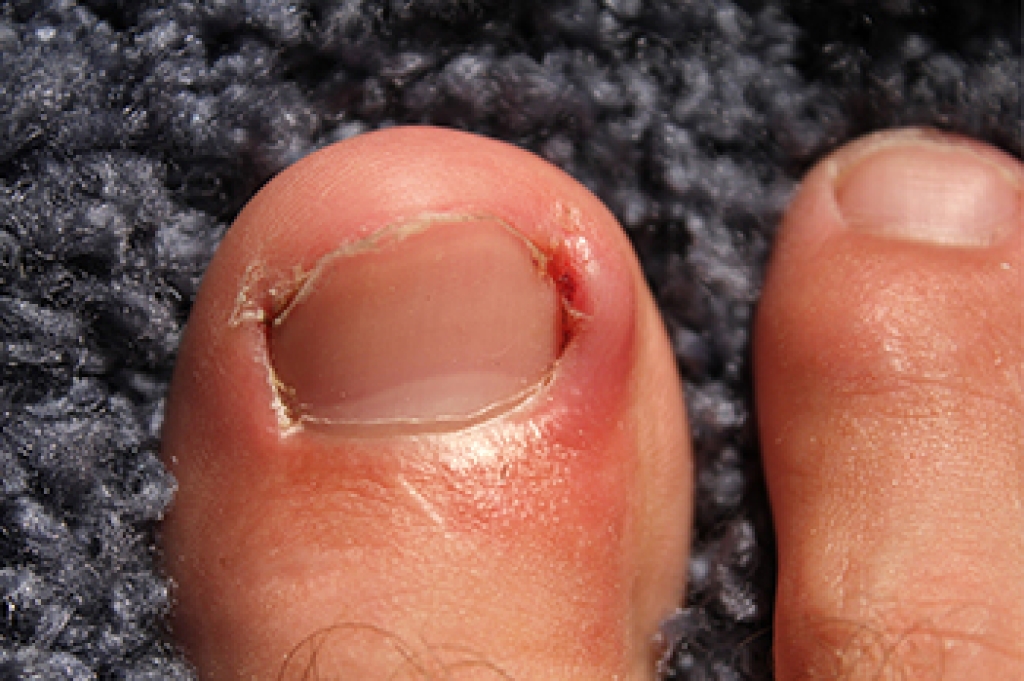
An ingrown toenail occurs when the edge of a toenail grows into the surrounding skin instead of over it. This condition most often affects the big toe and can become increasingly painful if left untreated. Common symptoms include redness, swelling, and tenderness along the edge of the nail. As the nail continues to press into the skin, the area may become inflamed and, in some cases, infected. Wearing shoes may become uncomfortable, and even simple activities like walking can cause significant pain. Several factors can contribute to ingrown toenails, including naturally curved nails, repeated pressure on the toes, and injuries to the toenail. Because symptoms often worsen, a professional evaluation is important to determine the most appropriate treatment and prevent complications.


Persistent irritation from an ingrown toenail can affect the surrounding skin and make movement more difficult. If the condition progresses, swelling may increase and the skin surrounding the nail may become more sensitive. People with diabetes, poor circulation, or reduced feeling in their feet may face a greater risk of serious complications because small wounds can heal slower. A comprehensive podiatry examination helps determine the severity of the ingrown toenail while identifying signs of infection or other foot conditions that may require attention. Early diagnosis allows treatment to begin before pain and inflammation become more severe or interfere with normal activities.


Professional podiatry care focuses on relieving pain, reducing inflammation, and correcting the problem based on each patient's individual needs. Treatment plans are tailored to the severity of the condition and may help lower the risk of future recurrence. Regular podiatry visits also allow foot health to be monitored and concerns to be addressed before complications develop. If you have persistent toe pain, swelling, or symptoms of an ingrown toenail, it is suggested that you consult a podiatrist for an evaluation and appropriate treatment options.

Ingrown toenails may initially present themselves as a minor discomfort, but they may progress into an infection in the skin without proper treatment. For more information about ingrown toenails, contact Barbara J. Aung, DPM of Aung Foot Health Clinic . Our doctor can provide the care you need to keep you pain-free and on your feet.

Ingrown Toenails

Ingrown toenails are caused when the corner or side of a toenail grows into the soft flesh surrounding it. They often result in redness, swelling, pain, and in some cases, infection. This condition typically affects the big toe and may recur if it is not treated properly.

Causes

  • Improper toenail trimming
  • Genetics
  • Improper shoe fitting
  • Injury from pedicures or nail picking
  • Abnormal gait
  • Poor hygiene

You are more likely to develop an ingrown toenail if you are obese, have diabetes, arthritis, or have any fungal infection in your nails. Additionally, people who have foot or toe deformities are at a higher risk of developing an ingrown toenail.

Symptoms

Some symptoms of ingrown toenails are redness, swelling, and pain. In rare cases, there may be a yellowish drainage coming from the nail.

Treatment

Ignoring an ingrown toenail can have serious complications. Infections of the nail border can progress to a deeper soft-tissue infection, which can then turn into a bone infection. You should always speak with your podiatrist if you suspect you have an ingrown toenail, especially if you have diabetes or poor circulation.

If you have any questions, please feel free to contact our office located in Tuscon, AZ . We offer the newest diagnostic and treatment technologies for all your foot care needs.

Read more about Ingrown Toenails

How Aging and Lifestyle Factors Contribute to Bunion Development

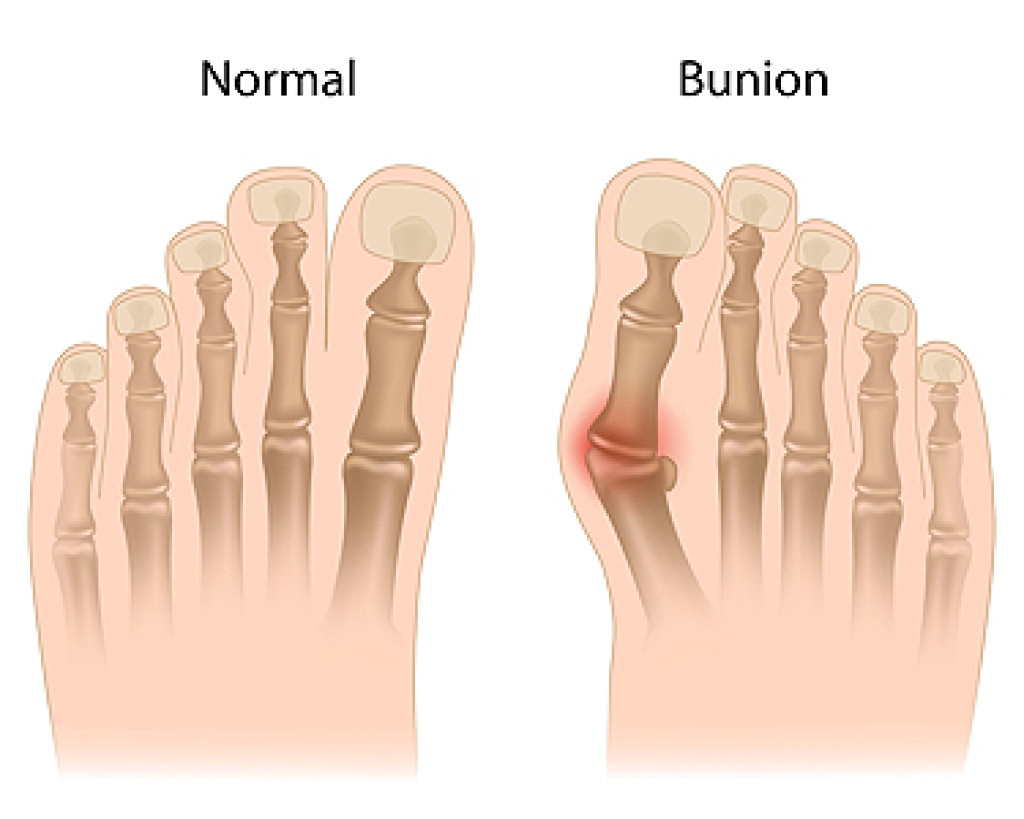
Bunions are a common foot condition that develops gradually as the big toe joint becomes misaligned, forming a prominent bump along the side of the foot. This structural change can affect balance, walking ability, and overall foot health. Bunions are known to increase in frequency with age and are especially common in women due to both biological and lifestyle factors. Recognizing how these elements contribute to bunion formation can help individuals take proactive steps to protect their feet.

The symptoms of bunions often begin with mild discomfort and progress to more noticeable pain, swelling, and stiffness in the big toe joint. The area may become tender, particularly when wearing shoes that press against the bunion. Over time, the big toe may shift toward the other toes, leading to crowding and difficulty finding comfortable footwear. These symptoms can limit mobility and reduce quality of life if not properly managed.


Risk factors for bunions include inherited foot structure, aging-related joint changes, and footwear choices. As people age, ligaments may lose strength, making the foot more prone to misalignment. Women are at higher risk due to frequent use of narrow or high-heeled shoes that concentrate pressure on the forefoot. Additional causes include repetitive stress on the feet, flat arches, and improper gait patterns. These factors work together to increase strain on the big toe joint and contribute to bunion development.


Preventive strategies include wearing supportive shoes with a wide toe box, maintaining healthy foot mechanics, and avoiding excessive pressure on the forefoot. Early attention to symptoms can help slow progression and improve comfort. Taking a proactive approach to foot care supports long-term mobility and well-being. If you have a bunion or notice worsening symptoms, it is suggested that you consult a podiatrist for effective relief and management solutions.

If you are suffering from bunions, contact Barbara J. Aung, DPM of Aung Foot Health Clinic . Our doctor can provide the care you need to keep you pain-free and on your feet.

What Is a Bunion?

A bunion is formed of swollen tissue or an enlargement of boney growth, usually located at the base joint of the toe that connects to the foot. The swelling occurs due to the bones in the big toe shifting inward, which impacts the other toes of the foot. This causes the area around the base of the big toe to become inflamed and painful.

Why Do Bunions Form?

Genetics – Susceptibility to bunions are often hereditary

Stress on the feet – Poorly fitted and uncomfortable footwear that places stress on feet, such as heels, can worsen existing bunions

How Are Bunions Diagnosed?

Podiatrists often perform two tests – blood tests and x-rays – when trying to diagnose bunions, especially in the early stages of development. Blood tests help determine if the foot pain is being caused by something else, such as arthritis, while x-rays provide a clear picture of your bone structure to your provider.

How Are Bunions Treated?

  • Refrain from wearing heels or similar shoes that cause discomfort
  • Select wider shoes that can provide more comfort and reduce pain
  • Anti-inflammatory and pain management drugs
  • Orthotics or foot inserts
  • Surgery

If you have any questions, please feel free to contact our office located in Tuscon, AZ . We offer the newest diagnostic and treatment technologies for all your foot care needs.

Read more about Bunions

Why the Big Toe Joint Takes Time to Heal

Big toe pain can interfere with walking, balance, and daily activities. The big toe joint, also known as the first metatarsophalangeal joint, plays a major role in movement because body weight is transferred through this area with each step. This constant pressure makes the joint more vulnerable to strain and injury. Once damaged, the big toe can take a long time to heal due to its frequent use and limited ability to rest during normal activity.

Symptoms of big toe pain may include stiffness, swelling, and tenderness surrounding the joint. Some individuals experience sharp pain during movement, while others notice a dull ache that worsens with walking or standing. Reduced range of motion can make it difficult to bend the toe, and in some cases, visible deformities may develop. Pain may be mild at first, but can progress if the underlying cause is not addressed. Early attention to symptoms can help prevent long term complications.


There are several common causes of big toe pain. Arthritis can lead to joint inflammation and cartilage breakdown, resulting in stiffness and discomfort. Bunions, which are bony bumps that form at the base of the big toe, can shift the joint out of alignment and create pressure. Ingrown toenails can also cause localized pain, especially when the nail grows into the surrounding skin. Injuries, repetitive stress, and wearing improper footwear may further contribute to irritation in this area.


Risk factors for big toe pain include aging, excess body weight, and activities that place repeated stress on the foot. Wearing tight or ill-fitting shoes can increase pressure on the joint and worsen symptoms. Certain foot structures, such as flat feet or high arches, may also affect how weight is distributed. Managing these factors can support joint health and reduce discomfort. If you have big toe pain, it is suggested that you consult a podiatrist for an accurate diagnosis and appropriate treatment.

Toe pain can disrupt your daily activities. If you have any concerns, contact Barbara J. Aung, DPM of Aung Foot Health Clinic . Our doctor can provide the care you need to keep you pain-free and on your feet.

What Causes Toe Pain?

Most severe toe pain is caused due to a sports injury, trauma from dropping something heavy on the toe, or bumping into something rigid. Other problems can develop over time for various reasons.

Toe pain can be caused by one or more ailments. The most common include:

  • Trauma
  • Sports injury
  • Wearing shoes that are too tight
  • Arthritis
  • Gout
  • Corns and calluses
  • Hammertoe
  • Bunions
  • Blisters
  • Ingrown toenails
  • Sprains
  • Fractures (broken bones)
  • Dislocations

When to See a Podiatrist

  • Severe pain
  • Persistent pain that lasts more than a week
  • Signs of infection
  • Continued swelling
  • Pain that prevents walking

Diagnosis

In many cases the cause of toe pain is obvious, but in others, a podiatrist may want to use more advanced methods to determine the problem. These can range from simple visual inspections and sensation tests to X-rays and MRI scans. Prior medical history, family medical history, and any recent physical traumatic events will all be taken into consideration for a proper diagnosis.

Treatment

Treatments for toe pain and injuries vary and may include shoe inserts, padding, taping, medicines, injections, and in some cases, surgery. If you believe that you have broken a toe, please see a podiatrist as soon as possible.

If you have any questions please contact our office located in Tuscon, AZ . We offer the newest diagnostic and treatment technologies for all your foot and ankle needs.

Read more about Toe Pain

Do You Suffer From Painful Feet?

Painful deformities, such as hammertoes, can be treated. Stop living with foot pain, and have beautiful feet again!

Connect With Us